
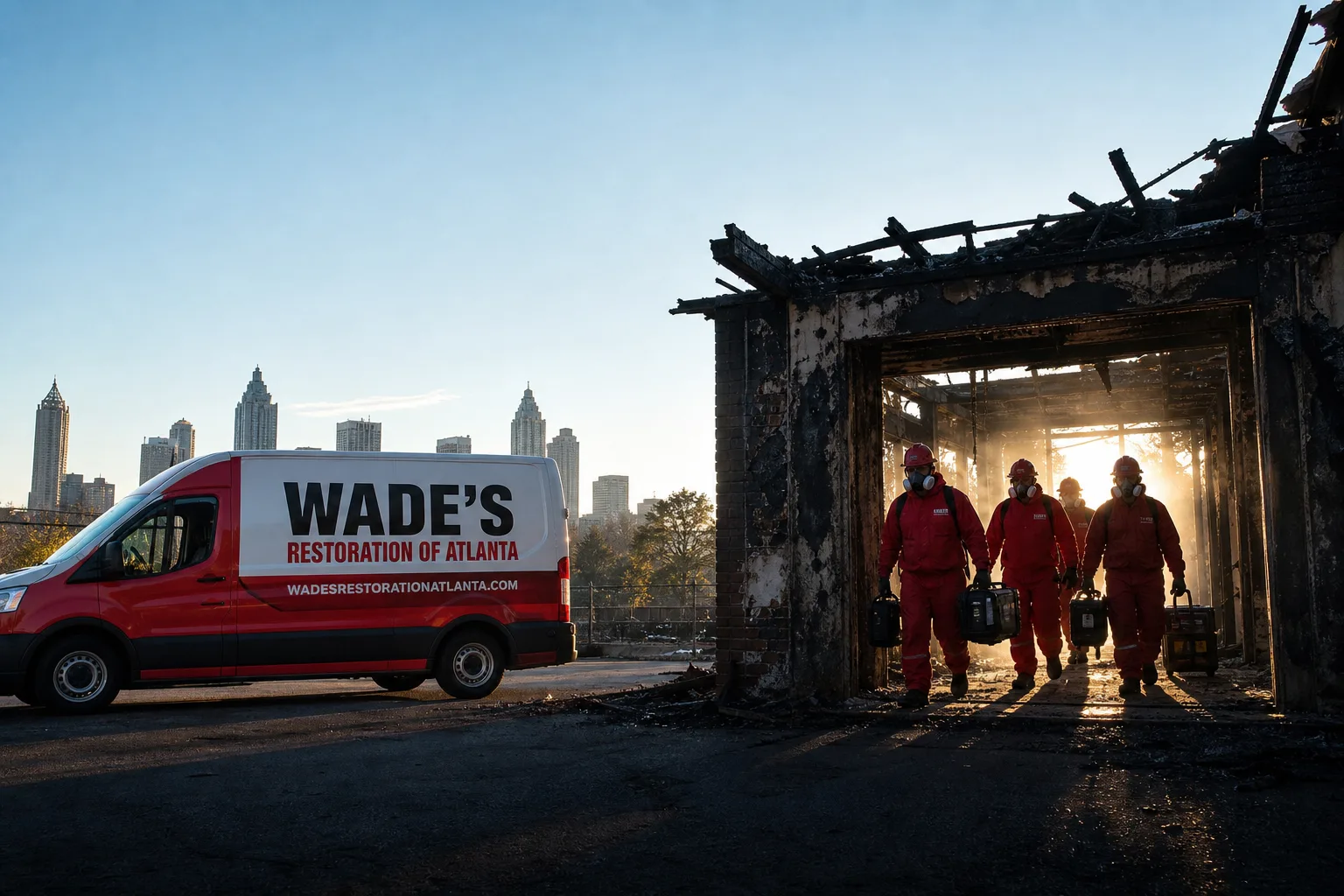
Fast, Reliable Mold Remediation Across Dunwoody
Mold remediation in Dunwoody typically runs $1,800-$6,500 depending on how far the moisture traveled, and most jobs take 2-5 days once containment is up. If you’ve found mold in a Georgetown wall cavity or a Wynthrope Hall bath, call Wade’s Restoration of Atlanta at (888) 690-3757 and Wade will head out himself to take moisture readings before anyone touches a wall. We work in Dunwoody every week, and we know what’s behind these 1970s and 80s walls better than any crew driving in from outside the Perimeter.
Why Wade’s Restoration of Atlanta Is Dunwoody’s Trusted Mold Remediation Choice
Wade Ferris founded this company in 2007 and still answers his own phone at 2 a.m. That matters in Dunwoody, where a slow polybutylene leak behind custom wainscoting doesn’t announce itself until the baseboards start cupping and the air smells wrong. When a Dunwoody homeowner calls, they get Wade on the line, not a scheduling queue. He asks about the house before he asks about payment.
We’ve done enough work in Dunwoody Club Forest, Georgetown, and along Chamblee Dunwoody Road to know which 1970s floor plans hide plumbing chases in weird places and which crawl spaces stay damp into July. Our crews wear uniforms, pass background checks, and carry IICRC credentials. Wade documents every moisture reading, hands you the full log at the end, and deals with your adjuster directly so you’re not the one relaying information between two sides.
Every mold job we do in Dunwoody comes with our 90-Day Done Right Promise in writing. If mold returns because we missed something, Wade returns. No argument, no invoice. That’s how an owner-operated shop works. Ask anyone on your street.
Our Mold Remediation Services in Dunwoody
Mold Inspection & Testing
Before any remediation starts, you need to know where the moisture is coming from and how far the spores have traveled. In Dunwoody, that means inspecting not just the visible growth but the wall cavities, rim joists, and crawl spaces where 1970s kraft-faced insulation has been quietly wicking water for months. We map the moisture migration with Dri-Eaz meters and take air samples where it matters. The inspection report is yours to keep, whether you hire us for remediation or not.
Mold Removal
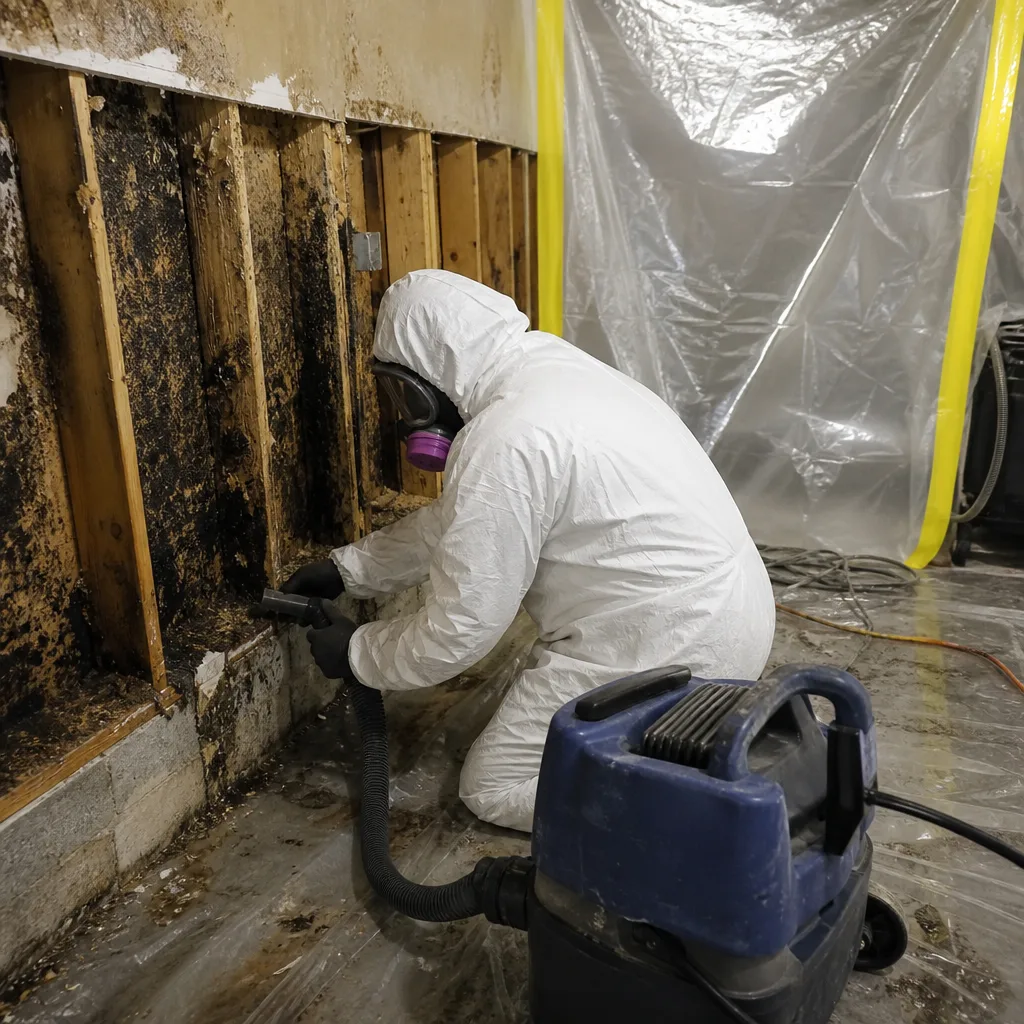
Removing mold from a Dunwoody home isn’t just scrubbing surfaces. You have to understand the building materials underneath. OSB sheathing from the 1980s holds moisture differently than plywood, and kraft-faced insulation wicks water along the paper layer like a sponge. Our Mold Remediation team cuts containment, sets negative air, and removes affected materials only as far as the moisture log says they need to go. We don’t gut a room to justify a bigger invoice.
Mold Inspection & Testing
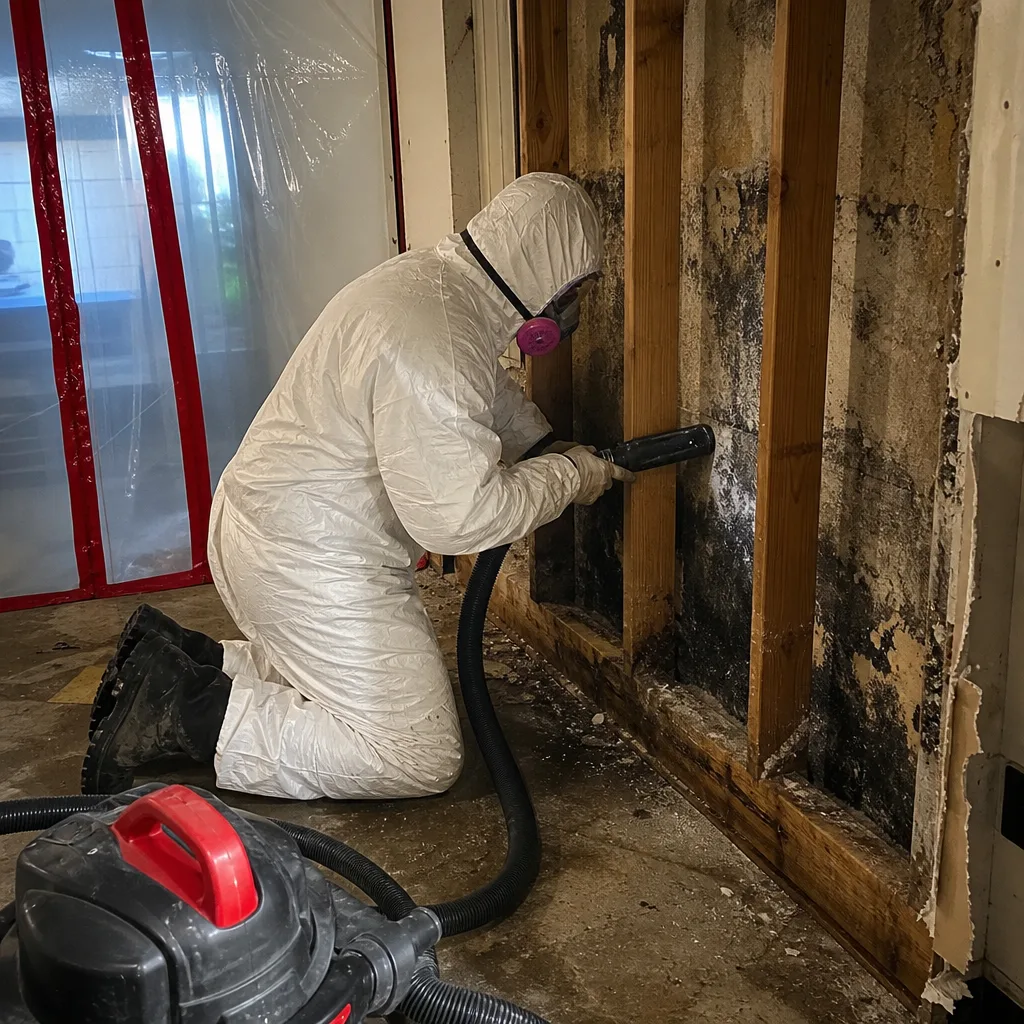
Testing in a Dunwoody home means pairing interior readings with what’s happening outside. When Nancy Creek’s tributaries run high after spring storms, exterior humidity climbs and crawl space readings shift. We test for mold types that matter in a Georgia climate: Stachybotrys, Aspergillus, Penicillium, and the Cladosporium that loves air-conditioned ducts with condensation issues. You get a plain-English summary, not a lab report dump.
Air Quality Restoration
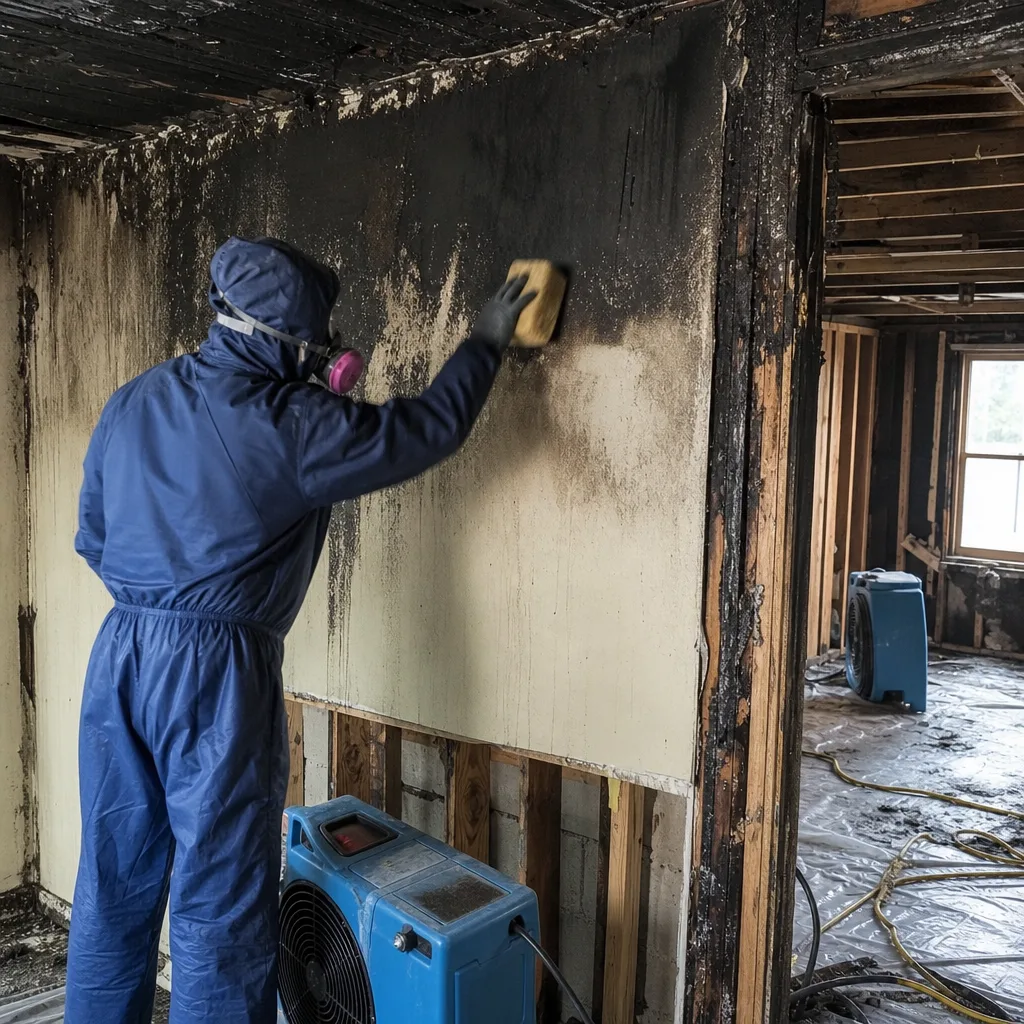
After mold is removed, the air in your Dunwoody home needs to be scrubbed before anyone lives in it again without worry. We run HEPA-filtered air scrubbers sized for the square footage, including the large open floor plans common in Dunwoody’s custom homes and Perimeter-adjacent condos. Undersized scrubbers leave spores settling on high-end finishes and smart-home sensor arrays. We size up, not down.
Crawl Space Treatment
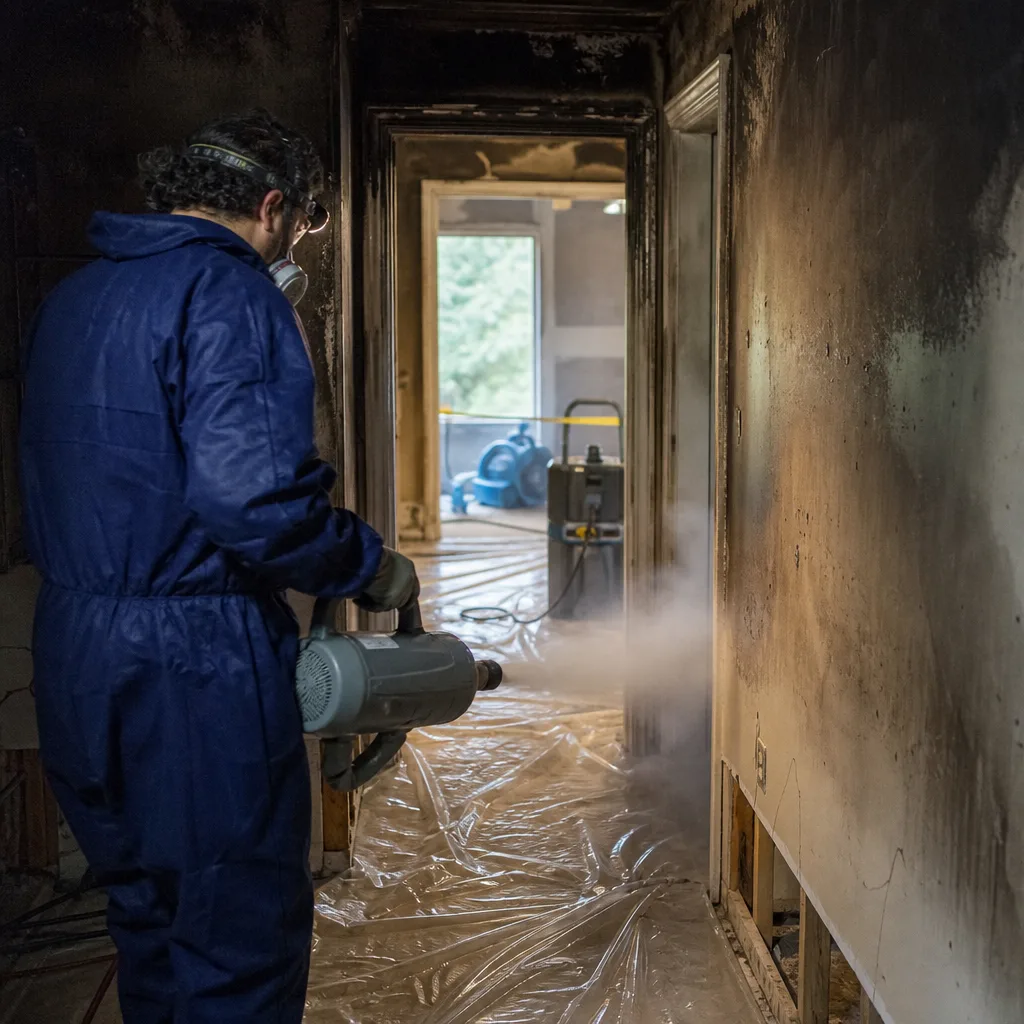
Dunwoody’s older homes sit close to Georgia red clay, and in neighborhoods near Nancy Creek and its tributaries, that means seasonal humidity that doesn’t quit. We seal, treat, and condition crawl spaces so they stop feeding moisture into the subfloor above. This is a big deal in Dunwoody Club Forest and Wynthrope Hall, where we see mold return within months when post-remediation clearance testing skips the crawl space.
Moisture & Humidity Control
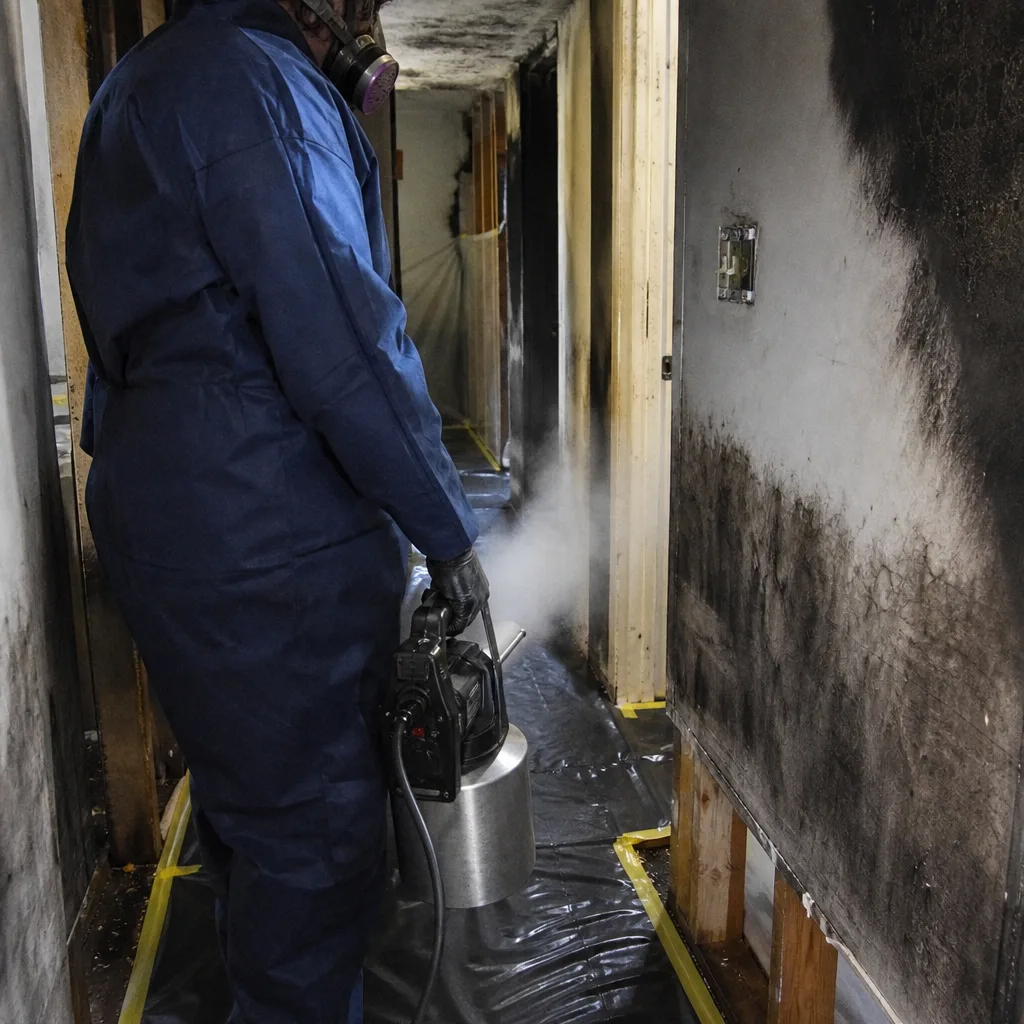
The mold problem in most Dunwoody homes isn’t the mold. It’s the water that feeds it. We track humidity in wall cavities, behind custom wainscoting, and under slab foundations, then recommend what actually fixes the source: dehumidification, ventilation, drainage corrections, or pipe replacement. Sometimes the answer is smaller than you’d think. Sometimes it’s a polybutylene supply line that’s about to let go.
What happens when you call
- 1
A real person answersNo phone trees - you reach a local pro.
- 2
You get an upfront price rangeHonest numbers before anyone is dispatched.
- 3
A background-checked tech heads outLicensed & insured, dispatched right away.
- 4
You approve before work beginsNothing starts until you say go.
Common Mold Problems in Dunwoody Homes
Dunwoody sits at an unusual intersection. On one side, you have densely canopied 1970s and 80s subdivisions where the city actively protects mature hardwoods. On the other, the Perimeter Center corridor brings multi-story office towers and hotels, which means high-rise water events and condo mold from shared chases. The mold problems we see here follow two patterns: hidden slow leaks in older residential framing, and bigger, faster losses in newer construction where materials were closed up too wet.
- Polybutylene supply-line failures: Georgia homes built between roughly 1978 and 1995 got polybutylene pipes that get brittle with age. In Dunwoody, a fitting behind a wall can go from a drip to a burst, and the slow seep has already wicked into the OSB and kraft-faced insulation long before you see water.
- Protected tree canopy after storms: Dunwoody’s mature oaks and pines stay until they fail onto roofs, gutters, and HVAC equipment. Summer convective storms bring straight-line winds, and winter ice storms add weight. Water intrusion after a dropped limb becomes a mold source when roof sheathing stays wet under the shingles.
- Crawl space humidity near Nancy Creek: Homes along the tributaries deal with localized flood exposure that standard policies often exclude. Even without a flood, the seasonal humidity keeps crawl spaces damp, and mold moves up into the floor system.
- Custom finishes that hide damage: Carriage-house trims, wainscoting, and built-ins from Dunwoody’s custom home era look beautiful but hide moisture migration. Mold can spread behind a wood panel wall for weeks before it shows on the surface.
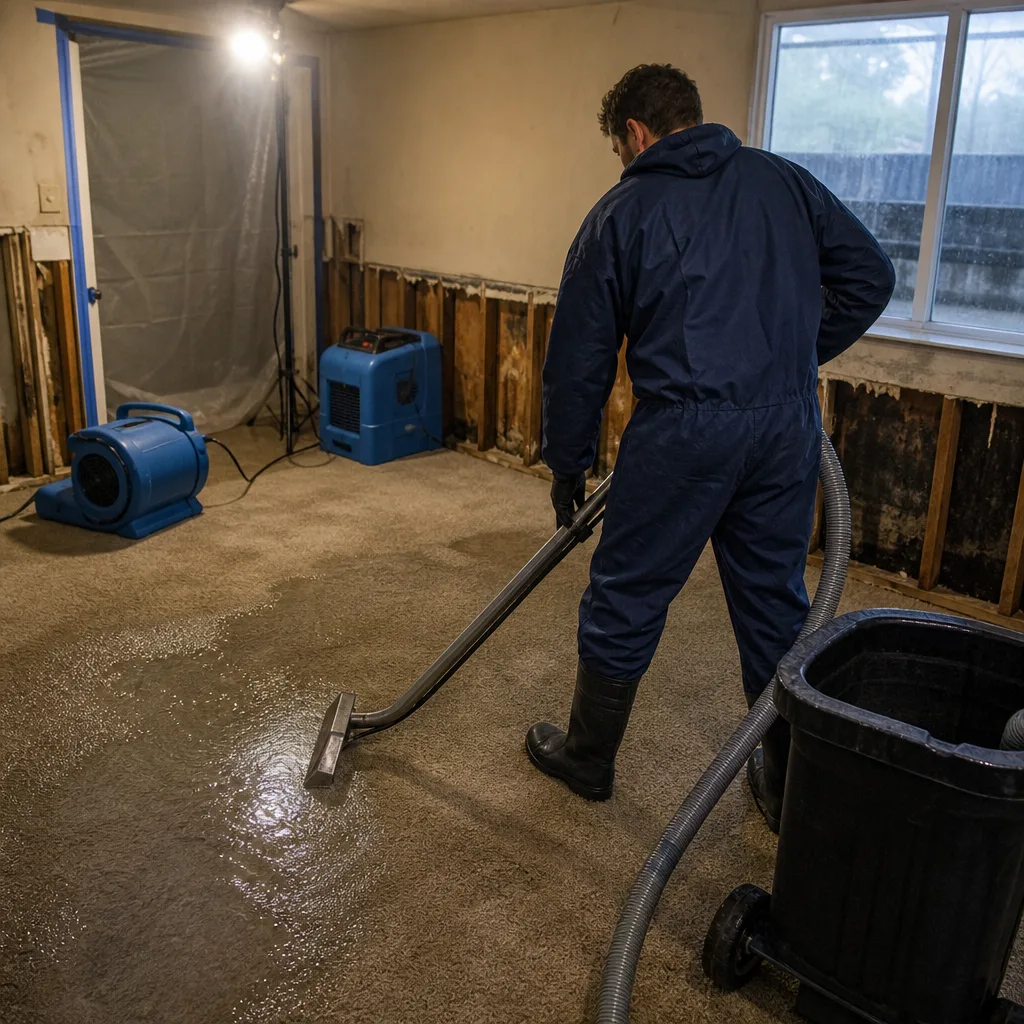
Our crew remediated a mold outbreak in a Dunwoody Club Forest carriage house after a polybutylene fitting failed inside a wall cavity. We used Dri-Eaz dehumidifiers and XPOWER air movers to dry the custom wood paneling, then matched and replaced the water-damaged trim to preserve the home’s original finish. That’s the level of care these houses need.
How Dunwoody’s Climate and Housing Stock Create Hidden Mold
Dunwoody’s protected tree canopy is a feature for people who live here, but it’s also a mold factory. When one of those mature oaks comes down in a summer convective storm or an ice event, water gets behind the roof sheathing and into the insulation. The damage doesn’t show on the ceiling drywall right away. It sits there, feeding microbial growth in the dark, while the homeowner thinks they dodged a bullet.
The second wildcard is Dunwoody’s plumbing history. The bulk of residential stock in Georgetown, Dunwoody Club Forest, and Dunwoody North was built during the polybutylene era. Those supply lines fail from the inside out. The first sign isn’t a puddle. It’s a musty smell behind a vanity, a soft spot under a window, or a baseboard pulling away from the wall. By the time we cut the drywall, the kraft-faced insulation has often been wicking for months. Mold remediation in Dunwoody means finding those hidden reservoirs before they spread behind custom wainscoting and built-ins, then drying the framing to documented moisture levels, not just “feels dry enough.”
Pricing for Mold Remediation in Dunwoody, GA
Here’s what we see in Dunwoody’s market. Mold inspection and testing runs $350-$700 standalone, including a written moisture log and lab results. Mold removal on a contained bathroom or closet starts around $1,800-$3,000. A full crawl space treatment with sealing and humidity control runs $3,500-$7,000 depending on square footage and access. Black mold remediation in an open living area with custom finishes can hit $8,000 or more because containment and finish preservation add labor. What moves the number: how far the moisture traveled, whether polybutylene plumbing needs replacement, whether crawl space encapsulation is required, and how much custom trim or paneling has to be removed and reinstalled. We give you a written scope before any work starts. Call (888) 690-3757 for a free estimate, and don’t forget: no trip charge inside our own county, and a free second opinion on any written estimate from another company.
Mold Remediation Near Dunwoody
We also run mold jobs in Dunwoody and the surrounding neighborhoods every week: Sandy Springs, Chamblee, Doraville, and Brookhaven. If you’re right on the line between Dunwoody and Doraville, call anyway. Wade heads out and figures out the fastest route when he’s on the phone with you.
Serving Dunwoody, GA - Our Local Coverage Area
We’re based in the Dunwoody area and know this community well. Use the map below to see our service coverage - if you’re nearby, we can almost certainly help.
FAQs - Mold Remediation in Dunwoody
It raises it substantially. When limbs drop onto roofs and gutters, water gets behind the shingles and into the sheathing, and the mold growth that follows is hidden from view. Dunwoody’s mature hardwoods stay until they fail, so after any storm, a moisture check in the attic and along the eaves is worth doing before mold gets a foothold.
Very common. Homes built from the late 1970s through the mid-1990s in Georgetown, Dunwoody Club Forest, and similar neighborhoods often have polybutylene supply lines that become brittle and fail suddenly. The slow leaks that precede the full failure are a primary mold source behind walls. If your Dunwoody home has original plumbing, get it inspected before you smell anything.
Yes. Homes along Nancy Creek and its tributaries sit in areas with seasonal high humidity and localized flood exposure. Crawl spaces in these areas rarely dry out on their own, and mold moves up into the floor system. Crawl space treatment with sealing and dehumidification is one of the most effective mold prevention steps for these Dunwoody homes.
Yes, when the crew respects the finishes. That means cutting containment carefully, drying framing with targeted equipment instead of blasting heat at the trim, and matching water-damaged wood with the same species and profile. We’ve done exactly this in Dunwoody Club Forest, drying custom paneling with Dri-Eaz dehumidifiers and XPOWER air movers while preserving the original finish.
Shared wall cavities and chases. In Perimeter-adjacent condos and townhomes, a mold issue in one unit can originate in a neighbor’s air handler drain or a failed valve three floors up. Remediation requires coordination with the association, access to shared spaces, and air scrubbing sized for the combined floor area. We’ve handled enough of these to know who to call and what to document for the adjuster.
Call Wade’s Restoration of Atlanta for Mold Remediation in Dunwoody
If you’ve got mold in a Dunwoody home, don’t wait for it to spread behind the wainscoting or up through the rim joists. Call (888) 690-3757 right now. Wade answers his own phone, asks the right questions, and can be in Dunwoody taking moisture readings inside the hour. You get a written scope before any work starts, a documented moisture log when the job’s done, and a 90-Day Done Right Promise behind it. Senior and veteran households get 10% off, always. If another company gave you an estimate, bring it and get a free second opinion. No charge for that.
Written by the team at Wade’s Restoration of Atlanta, serving Dunwoody with mold remediation, inspection, and moisture control.