
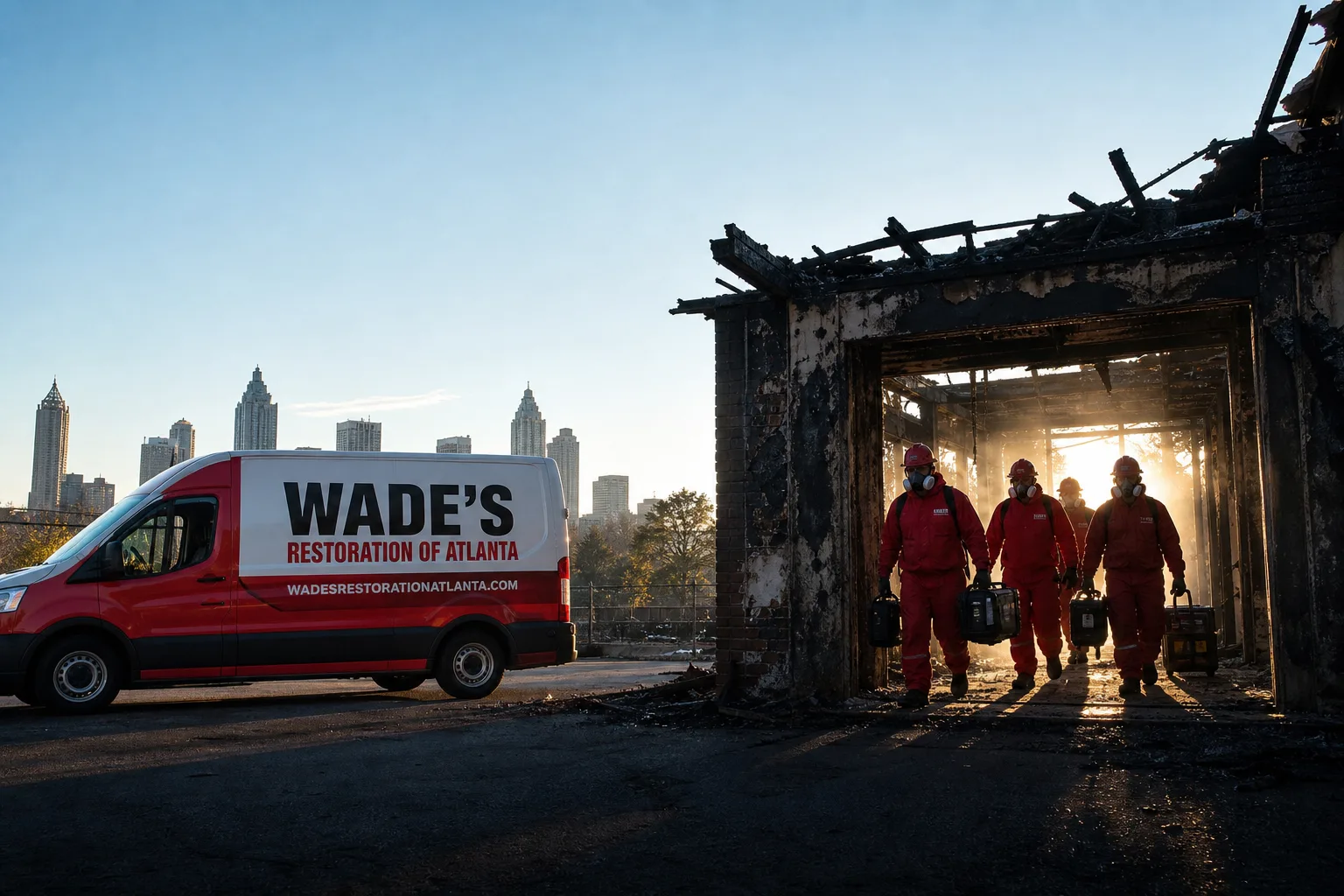
Fast, Reliable Sewage Cleanup Across Duluth
Sewage cleanup in Duluth typically costs between $1,800 and $4,500 for a standard Category 3 water loss, with smaller toilet overflows starting around $800 and full crawl space sewage removals reaching $9,000 or more. Most jobs are completed within 2 to 4 days, and extraction can start within the hour when you call (888) 690-3757. Wade Ferris answers his own phone, and he can have a crew at your door on Peachtree Industrial Boulevard or off GA-120 before the black water has time to wick into your subfloor.
If you’re dealing with a sewage backup in Duluth right now, do not wait. Duluth’s summer humidity pushes 80% relative humidity on a normal afternoon, and black water sitting in a slab-on-grade home starts growing mold colonies inside 48 hours. Call (888) 690-3757 now and get someone on the road.
Key Takeaways:
- Typical sewage cleanup in Duluth runs $1,800-$4,500 depending on how far the water wicked into subfloor and drywall
- Same-day response to all Duluth zip codes: 30096, 30097, 30095, and 30099
- Duluth’s slab-on-grade, polybutylene-era homes hide sewage damage behind baseboards and under engineered wood where you can’t see it
- Wade’s Restoration is owner-operated, IICRC-certified, and every job is backed by the 90-Day Done Right Promise in writing
Why Wade’s Restoration of Atlanta Is Duluth’s Preferred Sewage Cleanup Company
Wade Ferris has spent nearly two decades working sewage losses in Gwinnett County subdivisions, and he knows the houses off Sugarloaf Parkway, Buford Highway, and the neighborhoods around Bunten Road Park the way a neighbor knows them. He doesn’t send a rotating cast of subcontractors to your door. He sends his own crew, in uniform, background-checked, hauling professional-grade equipment from Dri-Eaz, Phoenix, and XPOWER. When you call Wade’s Restoration, you get Wade or someone who works directly under him, not a call center in another state.
That matters in Duluth because the sewage losses here follow a pattern. The slab-on-grade homes built during the 1985-2000 Gwinnett boom were plumbed with polybutylene supply lines and builder-grade waste rough-ins. When a toilet backs up through a floor drain in one of those houses, the black water doesn’t pool on the surface for long. It wicks into the OSB subfloor, travels along bottom plates, and hides there. A national franchise crew that’s never worked Duluth’s housing stock will extract what they can see, set a fan, and leave. Wade’s crew knows to probe the subfloor, open the toe kick, and check what’s happening below the surface before any mold takes hold. That’s the difference between a $2,000 cleanup and a $14,000 mold remediation six weeks later.
Ask anyone on your street who’s had a sewage loss in a 90s-era subdivision. They’ll tell you the same thing. Wade shows up fast, documents everything with moisture readings, and hands you the log at the end of the job. He deals with your adjuster directly, so you’re not stuck relaying messages between your insurance company and a national franchise’s 800 number.
Our Sewage Cleanup Services in Duluth
We handle every kind of sewage loss Duluth homes throw at us, from a single toilet overflow in a downstairs half-bath to a full septic failure that’s pushed black water through an entire daylight basement. Here’s what we do most often in this area. You can learn more about the full scope of our work on our Sewage Cleanup page.
Sewage Backup Cleanup
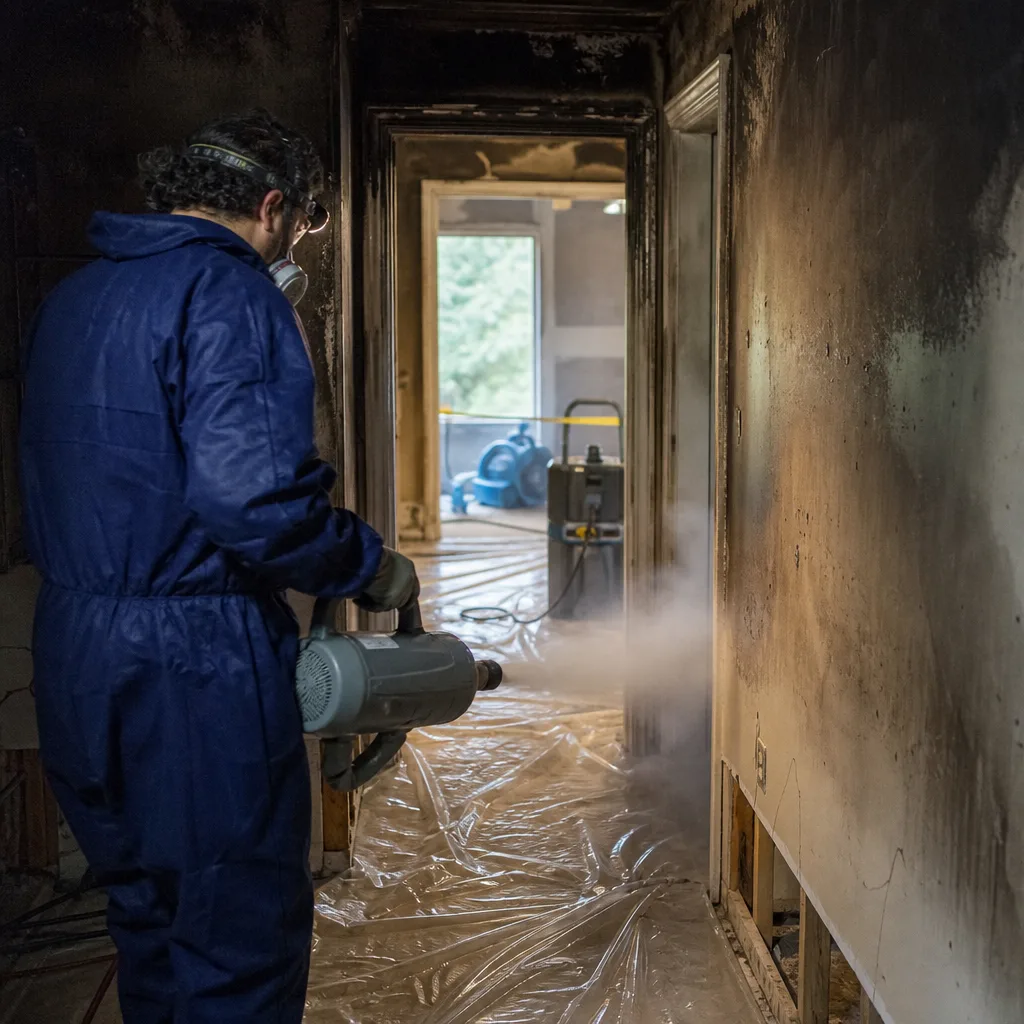
Duluth’s municipal sewer lines and aging subdivision infrastructure back up during heavy storms, particularly in the summer when Gwinnett County gets pounded with severe thunderstorms every few weeks. When a city line backs up into your home, the water is Category 3 by definition: it carries pathogens, fecal matter, and whatever else is in the municipal system. We extract it with truck-mounted equipment, remove contaminated drywall and flooring, and disinfect every surface with IICRC-approved antimicrobials. In Duluth’s high humidity, we don’t dry and pray. We remove the wet materials that hold biological contamination and get the structure to a measurable, documented dry standard.
Toilet Overflow Cleanup
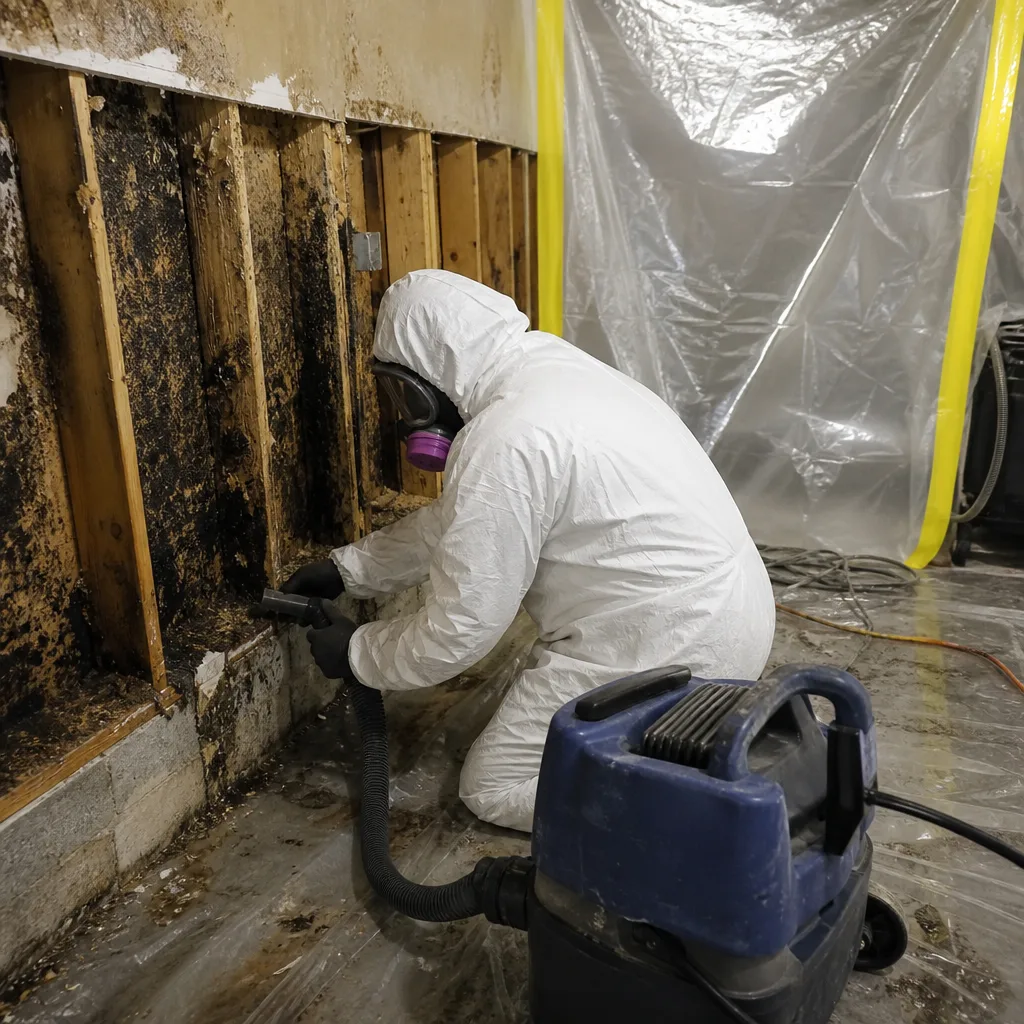
A toilet overflow in Duluth looks small. You grab a mop, you soak up what you can see, and you figure it’s handled. But in slab-on-grade homes, the water that ran along the baseboard has already wicked into the bottom plate and the engineered wood subfloor beneath your tile or vinyl. Duluth’s summer humidity keeps that material wet for weeks, which is why we regularly open baseboards and test subfloor moisture with penetrating probes even when the homeowner insists the overflow was “minor.” The builder-grade wax rings in Duluth’s 90s-era houses also fail early because of the way the clay soils settle and shift, sending sewage seepage along the base of the toilet that you may not notice until the odor becomes unmistakable.
Septic Failure Cleanup
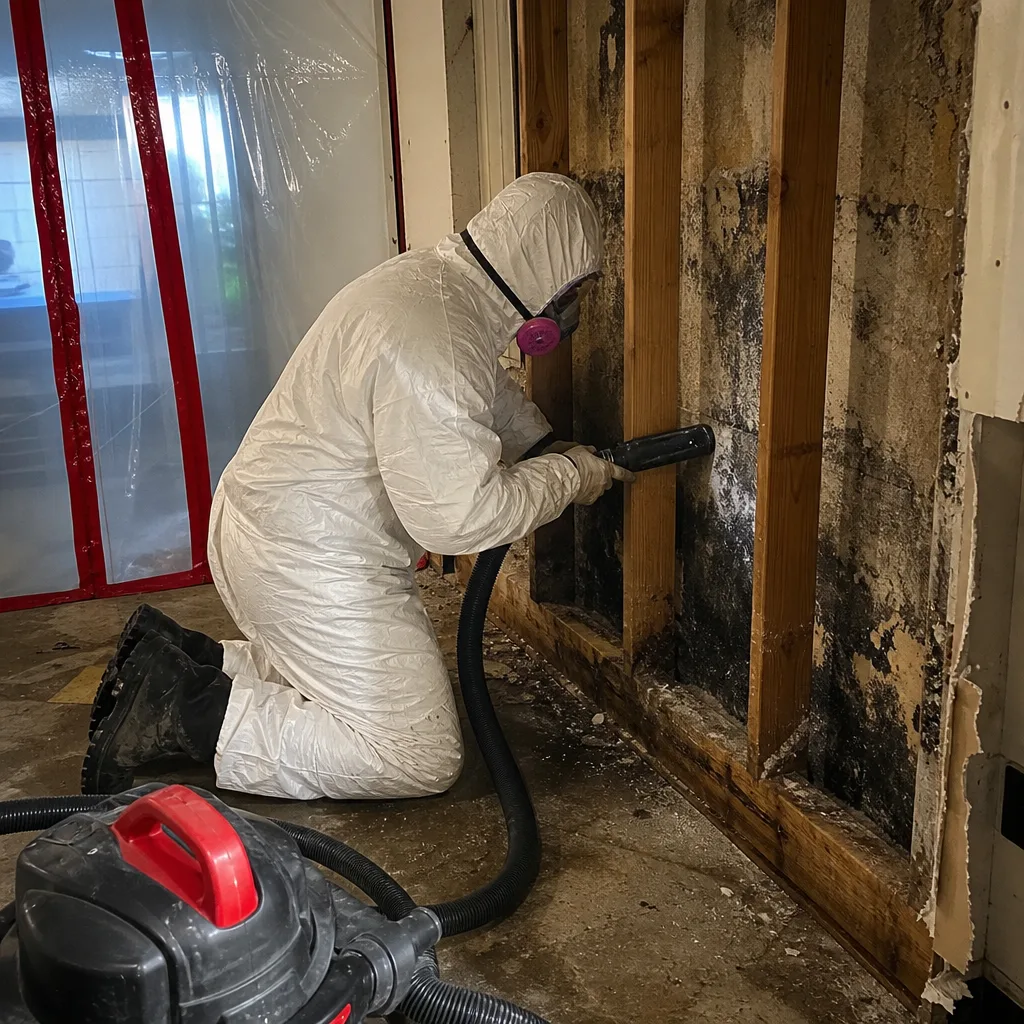
Plenty of Duluth properties, especially the older homes off Buford Highway and the larger lots toward the Chattahoochee River side of town, run on septic systems. When a septic field fails or a tank backs up, the sewage often surfaces in the yard first, then pushes into the lowest point of the house: usually a finished daylight basement or a slab-on-grade utility room. This is not a job for a portable carpet extractor. We bring containment, negative air pressure, and full PPE to handle what is effectively a biohazard cleanup, and we coordinate with septic contractors to make sure the source of the problem is fixed before we finish the interior restoration.
Black Water Extraction
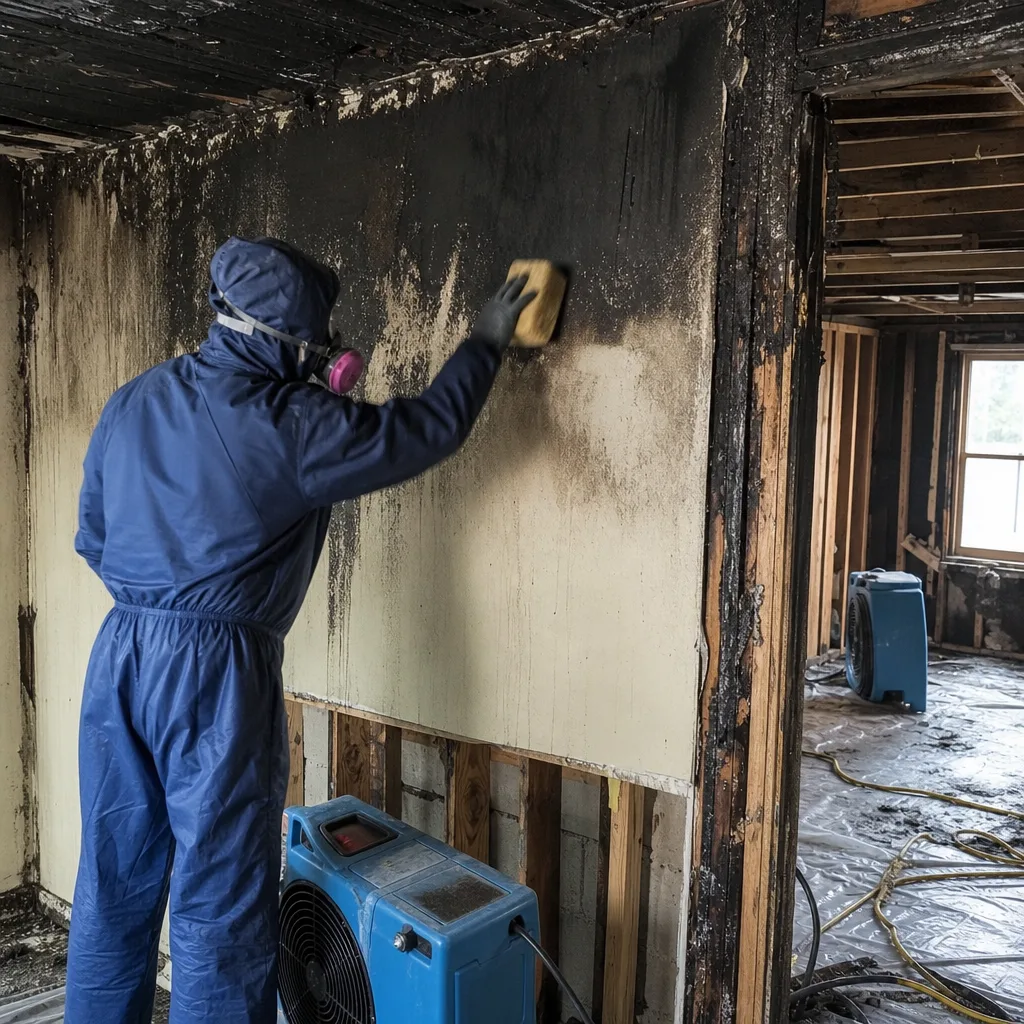
Black water extraction is the first and most critical step in any Category 3 loss, and Duluth’s slab construction makes it time-sensitive in a way that elevated crawl space homes don’t face. There’s no cavity beneath the floor where water can drain or evaporate. It sits, it seeps, and it wicks. We use truck-mounted extraction units and Dri-Eaz Phoenix axial air movers to pull water from the surface, then Injectidry wall-drying systems to get into wall cavities and under baseboards. The equipment matters, but what matters more is knowing where the water went. That’s local knowledge, not a franchise checklist.
What happens when you call
- 1
A real person answersNo phone trees - you reach a local pro.
- 2
You get an upfront price rangeHonest numbers before anyone is dispatched.
- 3
A background-checked tech heads outLicensed & insured, dispatched right away.
- 4
You approve before work beginsNothing starts until you say go.
Trusted Brands We Service in Duluth
We don’t sell equipment for someone else’s brand. We run professional-grade restoration gear because it works. On Duluth jobs, you’ll see Dri-Eaz dehumidifiers and air movers, Phoenix extraction units, and XPOWER air scrubbers running in our containment zones. These are the same machines used by the most demanding commercial restoration firms in the country, and Wade keeps them maintained and ready to load onto a truck headed for your neighborhood, whether you’re in a 30096 subdivision off Peachtree Industrial Boulevard or a newer 30097 build near Sugarloaf Mills. The equipment is professional grade because the houses we’re drying out in Duluth were built during an era when materials absorbed water quickly and released it slowly.
Common Sewage Cleanup Problems We See in Duluth Homes
Every region has its own failure modes, and Duluth’s are shaped by the building boom that happened between 1985 and 2005. Here’s what we walk into most often when a Duluth homeowner calls about sewage:
- Sewage wicking through slab-on-grade floor drains. When a line backs up in Duluth’s slab homes, the black water comes up through the lowest point: usually a floor drain in a utility room or downstairs bath. The water then sits on the slab, saturating the OSB subfloor and wicking into drywall bottom plates for weeks before the odor tips you off. This is the single most common hidden damage pattern we find in Duluth.
- Builder-grade wax rings failing early. The clay soils in Gwinnett County settle and shift, and that movement cracks the cheap wax rings that went into 90s-era production homes. Sewage seeps along the base of the toilet, under the vinyl, into the underlayment. By the time you smell it, the damage layer is broad and colonies are already forming in the humid summer air.
- Sewage ejector pump short-cycling in daylight basements. The homes in Duluth with daylight basements often route sewage through ejector pumps that lift waste to the main line. During summer storms, these pumps short-cycle, spraying black water onto finished lower-level drywall and carpet. The pump failure is a plumbing problem; the Category 3 water spreading through the finished space is ours to clean.
- Hidden contamination behind baseboards after a “small” overflow. Duluth’s subtropical humidity means even a toilet overflow that stayed in one bathroom can linger in the wall cavity long enough to grow mold. The visible water is not the problem. The water that went under the tile and behind the baseboard is the problem, and in slab homes, it has no drainage path.
Pricing for Sewage Cleanup in Duluth, GA
A toilet overflow contained to a single bathroom in Duluth typically runs $800-$1,500, including extraction, disinfection, and drying. A sewage backup that spreads across a slab floor into adjoining rooms runs $2,500-$5,000 once you account for drywall removal, baseboard replacement, and the full drying sequence. A crawl space sewage removal under a Duluth home starts around $3,500 and can reach $9,000 if the contamination damaged the vapor barrier, insulation, and floor joists. Septic failure cleanup in a finished daylight basement starts at $5,000 and goes up from there because the entire lower living space has to be treated as a biohazard zone. Wade gives you a written scope before work starts, so the price you’re quoted is the price you’re paying. Call (888) 690-3757 for a free estimate, and if you have a written estimate from another company, bring it in. Wade will give you a free second opinion, and if he can do the job for less without cutting corners, he’ll tell you that too.
We Also Serve Cities Near Duluth
Our Duluth crews work throughout the northeast Gwinnett corridor. We handle sewage cleanup in Norcross, Lawrenceville, Suwanee, and Peachtree Corners with the same owner-operated approach and the same same-day response. If you’re in a subdivision off GA-120 near the city line, call (888) 690-3757 and we’ll be there fast.
Serving Duluth, GA - Our Local Coverage Area
We’re based in the Duluth area and know this community well. Use the map below to see our service coverage - if you’re nearby, we can almost certainly help.
FAQs - Sewage Cleanup in Duluth
A slab-on-grade foundation has nowhere for black water to drain. In Duluth’s 1985-2000 construction, the floor assembly is engineered wood subfloor laid directly over concrete, and sewage that runs across that surface gets absorbed into the OSB and the drywall bottom plates. The visible water you mop up is maybe half the total. The rest is hiding under the flooring and behind the baseboards, trapping moisture in an environment perfect for mold. In Duluth’s humid summers, that hidden moisture becomes a biological problem within 48 to 72 hours. If you’ve had a backup that looked small, call (888) 690-3757 and we’ll come probe the subfloor to check what’s below the surface.
Polybutylene supply lines don’t directly cause sewage backups. They’re supply-side pipes, and sewage flows on the waste side. What the polybutylene does tell you is that your home was built during the era when Duluth’s subdivisions were framed with engineered wood, slab-on-grade foundations, and builder-grade rough-ins. A home with original poly pipe from the 1985-2000 boom is more likely to have the slab construction and OSB subfloor that makes any sewage backup worse and harder to detect. If you have polybutylene supply lines, you should also know that a sudden pipe burst can happen without warning, and when it does, water volume plus Duluth’s humidity puts you in the same 48-hour mold race as a sewage loss. We handle both, and Wade deals with the adjuster directly on either one.
In Duluth’s summer, when relative humidity sits above 80% day after day, mold spores that find wet organic material can establish colonies within 48 hours. That’s not a rule of thumb. That’s documented in IICRC water restoration standards, and it’s faster in Duluth’s slab homes because the water is trapped in OSB and drywall with no airflow. If sewage touched your subfloor or baseboards more than two days ago, assume mold growth is underway or imminent. We see it constantly in the neighborhoods off Sugarloaf Parkway and Buford Highway during Gwinnett County’s peak storm season. Extraction within the first hours of a loss is the only thing that reliably prevents a sewage cleanup from becoming a full mold remediation. Call (888) 690-3757 the moment you know there’s a problem. The faster we get air movers and dehumidifiers running, the less material gets removed.
The most common source, by far, is a toilet overflow backing up through a slab-on-grade floor drain. These 90s-era homes have waste lines that have been in the ground for 30-plus years, and tree roots, settling, and pipe degradation reduce capacity until a heavy flush or a storm surge pushes sewage up through the lowest opening in the house. The second most common is a failed wax ring at the base of a toilet, and the third in daylight-basement homes is the sewage ejector pump. If you’re on a septic system, the risk shifts to tank overflows and field failures. Whatever the source, the extraction and drying has to start fast in Duluth’s climate. Wade answers his own phone and can have a crew inside your home within the hour.
Yes. We serve 30096 and 30097 every day, including nights and weekends, and we also cover 30095 and 30099. When you call (888) 690-3757, a live person answers, 24/7. Wade heads out as soon as the call comes in, and for sewage losses, he moves first and asks questions later because he knows what could happen in Duluth’s heat if the water sits. There’s no answering service and no voicemail tree. You call, you talk to a person, and a crew shows up.
Written by Wade Ferris, Owner at Wade’s Restoration of Atlanta, serving Duluth, GA with sewage cleanup, black water extraction, and full restoration since 2007.