
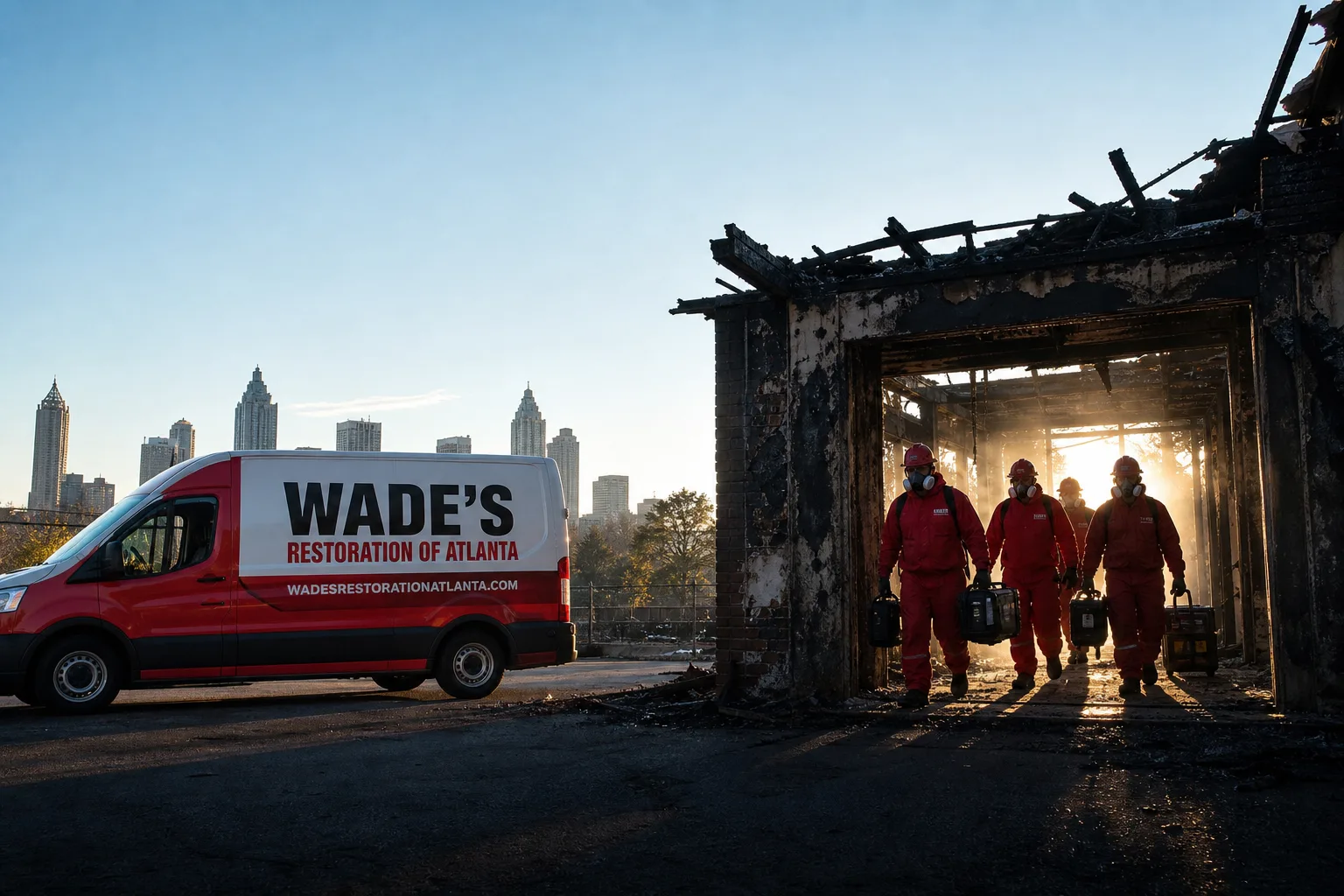
Fast, Reliable Sewage Cleanup Across Lawrenceville
Sewage backup in a Lawrenceville home is a biohazard that needs immediate attention, and most jobs in the 30042-30046 ZIP codes run between $1,800 and $4,200 depending on how far the black water traveled and what it soaked into. Call Wade’s Restoration of Atlanta at (888) 690-3757 and Wade or one of his crew will be on the road to Lawrenceville within the hour. We’ve worked crawl spaces and slab homes all over Gwinnett County long enough to know that a sewage backup here is rarely an isolated clog, especially in the 1990s subdivisions where original cast-iron lines are failing under the slab. The sooner extraction starts, the less drywall, insulation, and flooring you lose.
Why Wade’s Restoration of Atlanta Is Lawrenceville’s Preferred Sewage Cleanup Company
Wade Ferris has been doing sewage cleanup in Lawrenceville long enough to recognize the neighborhood patterns. Homes off Sugarloaf Parkway in 30044, subdivisions around Collins Hill Road in 30043, and the older stock near downtown Lawrenceville all present different failure modes, and Wade’s crew knows what to look for before the first cut is made. Homeowners here tell us the same thing: a national outfit quoted a low number over the phone, then the crew showed up and the price changed at the door. Wade doesn’t work that way. He writes the scope before work starts and his phone number is his actual cell, not a call center.
We answer live, 24 hours a day. When you call about a sewage backup at two in the morning, you get Wade, not a voicemail tree. He’s locally owned and owner-operated, with a published address and license number, and he backs every restoration job with the 90-Day Done Right Promise in writing. If it’s not done right, he makes it right. That’s not marketing language. That’s the only way he’s stayed in business since 2007 in a trade where reputation travels fast.
Our Sewage Cleanup Services in Lawrenceville
Sewage Backup Cleanup
A sewage backup in Lawrenceville usually presents as black water rising from a floor drain or a toilet that won’t clear no matter what you do. We extract the standing sewage first, then cut out saturated drywall and insulation, sanitize every affected surface, and dry the structure using Phoenix and Dri-Eaz equipment. In Lawrenceville slab homes, we always check the main line before we finish, because a backup that looks like a clog is often a collapsed cast-iron pipe under the concrete, and cleaning without diagnosing just means it happens again in three weeks.
Black Water Extraction
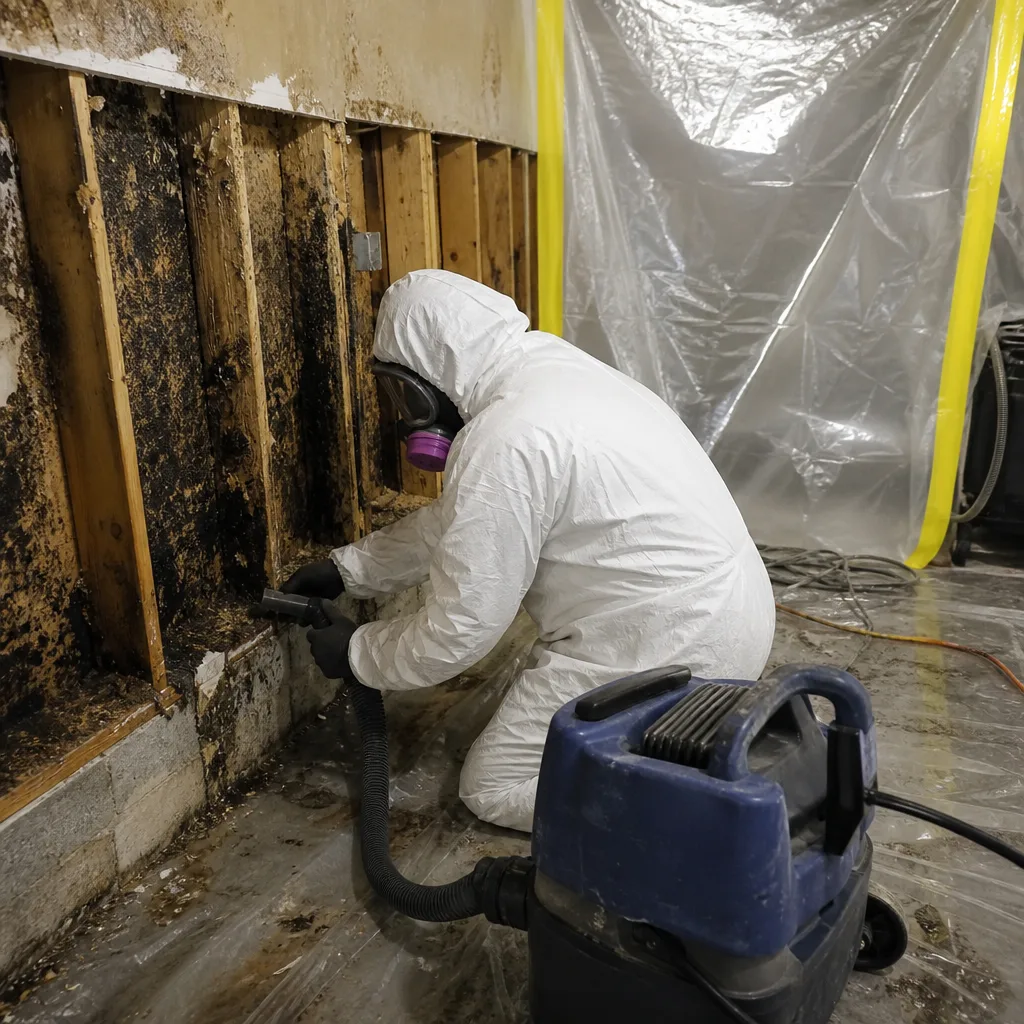
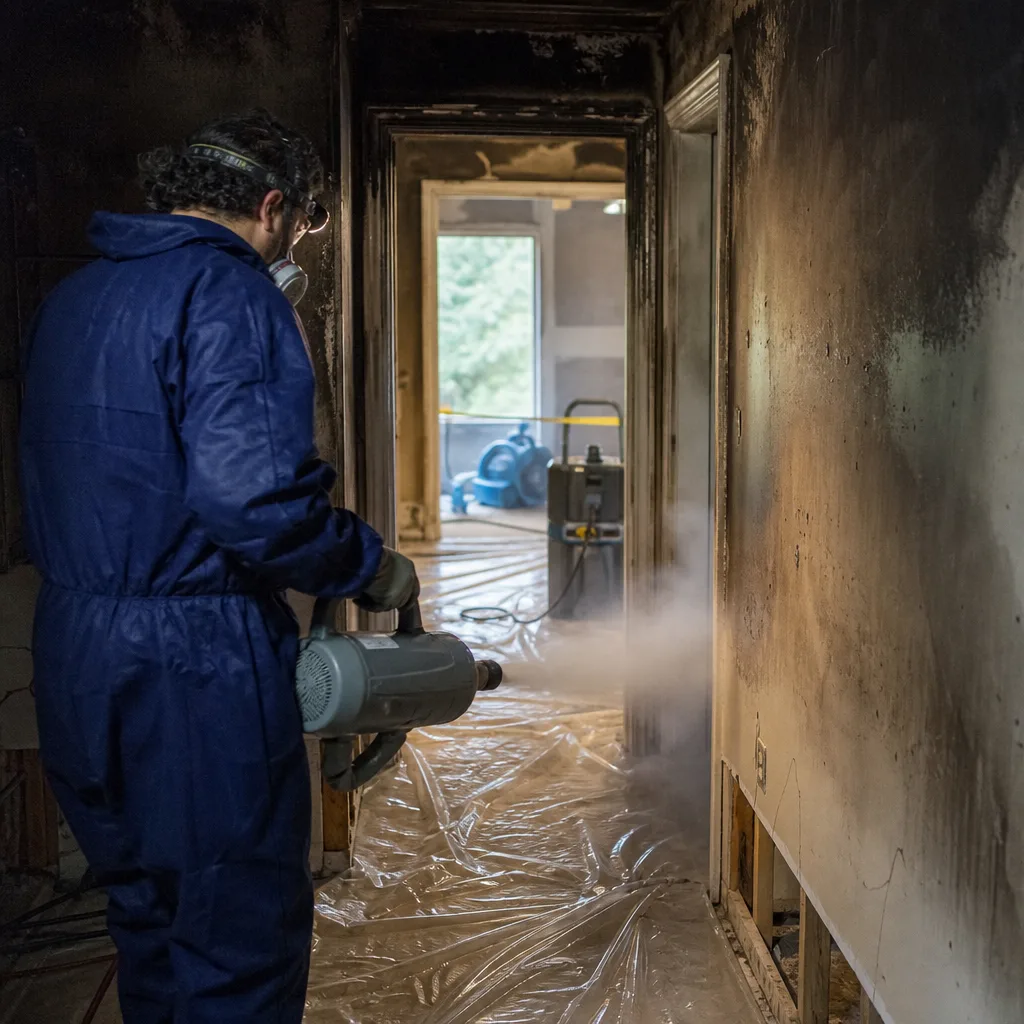
Black water is the category-three contamination that comes from raw sewage, and it requires more than a shop vac and bleach. Our Sewage Cleanup team uses truck-mounted Dri-Eaz extractors, negative air pressure to contain airborne pathogens, and industrial antimicrobials that actually kill what sewage leaves behind. In Lawrenceville’s summer humidity, black water turns a finished basement into a mold incubator inside 48 hours, so we don’t schedule this work for later. We’re there the same day you call.
Septic Failure Cleanup
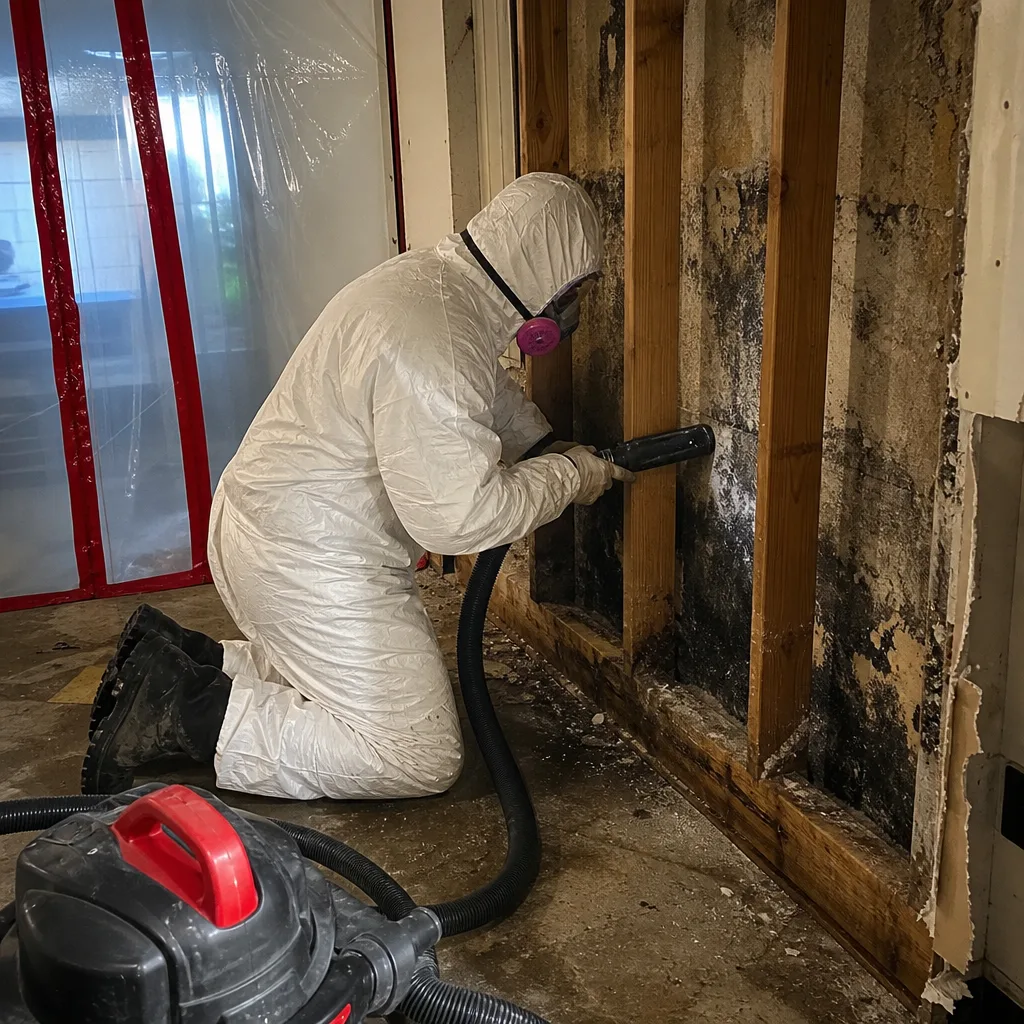
Homes on septic in the more rural pockets around Lawrenceville, particularly along Five Forks Trickum Road and down toward the Gwinnett-Barrow line, deal with a different kind of sewage event. A saturated drain field backs effluent into the house through the lowest fixture, usually a basement toilet or shower. That’s sewage cleanup plus a septic diagnosis, and we handle both. We’ll extract, sanitize, and dry while you coordinate with a septic contractor, or we can manage that piece for you too. Either way, you’re not left juggling three vendors.
Crawl Space Sewage Removal
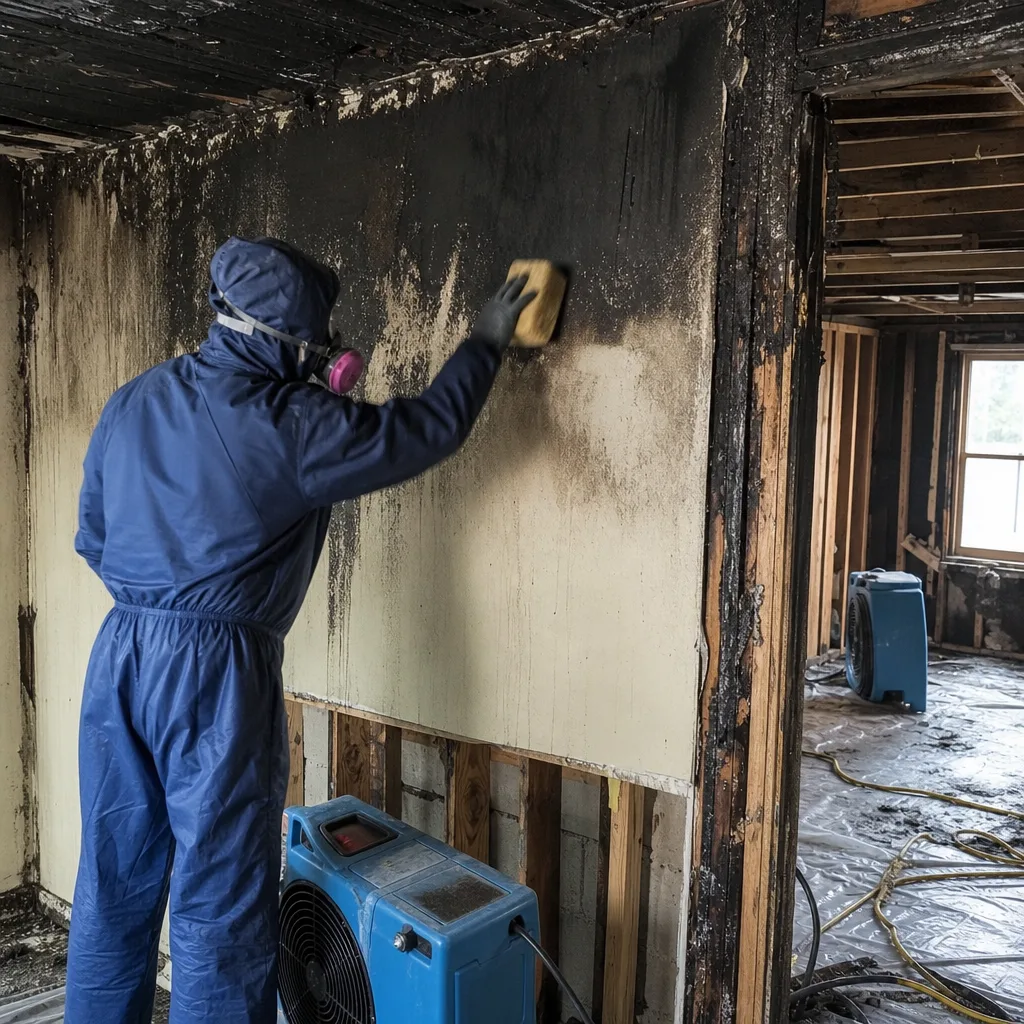
Lawrenceville has thousands of crawl-space homes from the 1985-2005 building boom, and when a sewage ejector pump fails or a drain line settles and cracks, the sewage goes under the house, not into a finished room. That’s a nasty job that most companies won’t touch, but we do. We pump the contamination out, remove saturated vapor barrier and insulation, treat the soil, and lay down new barrier. If the joists have been wicking moisture, we dry them with XPOWER air movers and document everything with daily moisture readings. You get the full log at the end, not a verbal “it’s dry.”
What happens when you call
- 1
A real person answersNo phone trees - you reach a local pro.
- 2
You get an upfront price rangeHonest numbers before anyone is dispatched.
- 3
A background-checked tech heads outLicensed & insured, dispatched right away.
- 4
You approve before work beginsNothing starts until you say go.
Trusted Brands We Service in Lawrenceville
We work on homes built with Moen, Delta, and American Standard plumbing, and when a Lawrenceville house has original plumbing from the 1990s, we know exactly where those systems fail and which parts fail first. We stock common seals, flanges, and ejector pump components locally, so we’re not waiting on a supply run from Atlanta when your toilet has been overflowing for three hours. Our equipment is professional grade, Dri-Eaz, Phoenix, XPOWER, and B-Air, and it runs every single day in Lawrenceville crawl spaces and basements.
Common Sewage Cleanup Problems We See in Lawrenceville Homes
- Collapsed cast-iron and clay lines under 30044 and 30045 slab homes. Original sewage lines from the 1990s are reaching end-of-life all at once. Homeowners in neighborhoods like River Stone and Chandler Woods call thinking they have a stubborn clog, and we find the pipe has separated under the slab.
- Failed sewage ejector pumps in crawl spaces. Builder-grade ejectors installed during Gwinnett County’s construction surge are now 20-30 years old. Lawrenceville’s intense summer thunderstorms trigger power surges that kill these pumps, and sewage backs up into the crawl space where nobody sees it until the smell rises through the floor.
- Chronic toilet overflows from settled drain lines. The rapid 1985-2005 construction wave meant some PVC lines were sloped incorrectly or settled after backfill. We see recurring toilet overflows in second-story baths, with sewage traveling down the wall cavity into the first-floor ceiling below.
- Humidity turning sewage into mold within two days. Lawrenceville sits in the Georgia Piedmont, where summer dew points stay in the 70s. Any sewage intrusion left wet for more than 48 hours starts growing mold, which means the cleanup scope expands from extraction to full mold remediation if you wait.
Pricing for Sewage Cleanup in Lawrenceville, GA
Here are honest ranges for Lawrenceville, based on the jobs we’ve done across 30042, 30043, 30044, and 30046 over the years. A contained toilet overflow without structural damage runs $1,200-$1,800. A full sewage backup that floods a finished basement and requires drywall cuts and sanitization runs $2,500-$4,200. Crawl space sewage removal, depending on square footage and how much insulation and barrier we replace, runs $2,800-$5,000. A slab leak requiring line repair or replacement drives the total higher because plumbing work is involved. The biggest variable in Lawrenceville is whether your home sits on a slab or a crawl space, because slab access means breaking concrete, and that costs real money. Call (888) 690-3757 for a free, written estimate before any work begins. If you have a written estimate from another contractor, bring it, and we’ll give you a free second opinion.
We Also Serve Cities Near Lawrenceville
Beyond Sewage Cleanup in Lawrenceville, Wade’s crew handles sewage backups in Lilburn, Norcross, Duluth, and Suwanee. If you’re in one of those cities, call the same number, (888) 690-3757, and Wade will head out the same way he does for Lawrenceville. Same equipment, same written scope, same 90-Day Done Right Promise.
Serving Lawrenceville, GA - Our Local Coverage Area
We’re based in the Lawrenceville area and know this community well. Use the map below to see our service coverage - if you’re nearby, we can almost certainly help.
FAQs - Sewage Cleanup in Lawrenceville
Because the 30044 and 30045 ZIP codes are packed with slab-on-grade homes built during Gwinnett County’s 1985-2005 construction boom, and the original cast-iron sewage lines under those slabs are now 20-40 years old and failing. That’s a predictable failure wave that cities like Duluth or Suwanee, which developed more gradually, don’t see at the same scale. A collapsed cast-iron line under a slab doesn’t just clog, it backs sewage into the house through the lowest floor drain. If you’ve had two backups in the same bathroom within a year, call (888) 690-3757 and Wade’s crew will camera the line to confirm whether it’s a clog or a structural failure.
Within 48 to 72 hours, and sometimes faster in Lawrenceville’s July and August humidity when dew points sit in the 70s. That means a sewage backup left wet over a weekend can turn into a mold remediation job by Monday. The speed of mold growth is exactly why we answer live and dispatch to Lawrenceville the same day you call. If the backup happened more than two days ago, mention it when you call, and Wade will bring air sampling equipment to check for airborne spores before we finalize the cleanup scope.
It starts with pumping out standing sewage and water, then removing every piece of saturated vapor barrier, insulation, and debris from the crawl space floor. We treat the exposed soil with an antimicrobial, dry the framing with XPOWER air movers and Phoenix dehumidifiers, and replace the vapor barrier. If the sewage wicked into subfloor insulation, that comes out too. Because Lawrenceville’s red clay holds moisture against floor joists, we don’t declare a crawl space dry until daily moisture readings show the framing below 12 percent wood moisture equivalent, and you get the full log.
It depends on how far the black water traveled. A contained bathroom overflow usually means you can stay in the rest of the house while we work, as long as we’ve sealed off the affected area with negative air pressure. A full basement backup where sewage contacted the HVAC return or spread into wall cavities usually means you should be out for 48 to 72 hours while we extract, cut, sanitize, and dry. Wade will tell you straight at the initial assessment, and the written scope will say exactly which rooms are off-limits. Call (888) 690-3757 and Wade will walk you through what to expect for your specific home.
A slab home’s sewage lines run under the concrete, so when a cast-iron line collapses, the backup comes up through the slab itself, usually at a floor drain or bathtub. That means the cleanup is only half the job; the line itself has to be located, sometimes with a camera, and repaired, which can involve breaking concrete. In a crawl-space home, the pipe is accessible from below, so the line repair is faster and cheaper, but the contamination spreads through the crawl space and wicks into floor joists and insulation. We handle both, but slap homes in 30044 and 30045 almost always involve a plumbing component that a straight cleanup-only company won’t touch. Call (888) 690-3757 and Wade will scope the full job, including the line repair, before work starts so you’re not surprised mid-project.
Written by Wade Ferris, Owner at Wade’s Restoration of Atlanta, serving Lawrenceville since 2007.